How Dogs Taste: Brain-Gut Connection & Behavior Explained
Discover how dogs experience taste, why stress affects appetite, and how flavor influences training and behavior. Learn the science behind canine taste preferences.

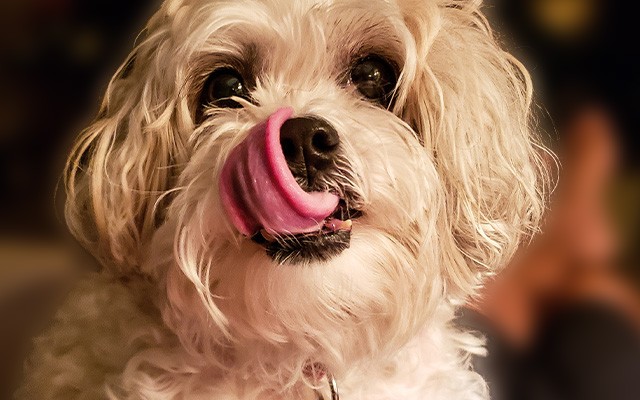
Just like other senses, taste plays a major role in how dogs experience rewards, make choices, and engage in learning.
Every time we choose food for training, enrichment, or daily meals, we are influencing not just motivation, but emotional experience, memory, and behavior.
Taste is one of the ways the brain evaluates safety, value, and comfort.
How Dogs Experience Taste
Dogs detect taste through taste buds located on the tongue, soft palate, and epiglottis. These receptors allow dogs to perceive several categories of flavor:
Sweet
Sour
Bitter
Umami (savory)
Some salty flavors
Taste provides survival-based signals about safety and potential risk, helping dogs decide what to consume and what to avoid.
Dogs, like humans, can show clear preferences for certain flavors. These preferences are shaped by genetics, early experiences, and learned associations.
Interestingly, dogs have far fewer taste buds than humans. Their sense of taste is far less nuanced than ours.
Sensitivity to Bitter Flavors
Dogs are particularly sensitive to bitter tastes. From a survival standpoint, this makes sense. Bitterness often signals toxins or spoiled substances in the environment.
The receptors they do have are well tuned for survival. Sensitivity to bitterness, for example, helps protect them from ingesting potentially harmful substances.
This is why many anti-chew sprays rely on bitter compounds to discourage chewing. These products work by adding an unpleasant taste to reduce a behavior.
However, they function as positive punishment by introducing an aversive stimulus. While they may suppress behavior in the moment, they do not teach an alternative choice or address the underlying need driving the behavior.
As we know, there are more effective and humane ways to guide behavior while supporting emotional well-being.
How Taste Information Travels in the Brain
Once a dog detects a flavor, taste information travels through several cranial nerves:
The facial nerve
The glossopharyngeal nerve
The vagus nerve
These nerves carry signals to the brainstem and then to the thalamus, which acts as a relay center. From there, information reaches the gustatory cortex, where taste is consciously processed and recognized.
Taste does not function in isolation. It integrates with other sensory systems to create the full experience of eating.
Taste Never Works Alone
When a dog eats, the brain blends multiple sensory inputs into a single experience.
Smell enhances and deepens flavor.
Texture influences comfort and interest.
Temperature affects palatability and safety.
Touch contributes to how food feels in the mouth.
Emotional state determines whether eating feels safe or stressful.
This is why the same food may be eagerly eaten in one environment and refused in another. Taste is always filtered through emotion and context.
Learned Preferences and Taste Aversions
Dogs can develop strong learned food preferences and aversions.
If a dog eats a particular food and later experiences nausea or discomfort, they may form a lasting association between that flavor or smell and feeling unwell.
This is known as a conditioned taste aversion.
Once formed, these aversions can be powerful and persistent. A dog may refuse a specific type of food long after the original illness has passed.
Humans experience conditioned taste aversion as well. For example, have you ever sworn off a food after it made you sick? I have (tuna casserole!!! YUCK!)
In any case, this can show up as an apparent lack of motivation or pressure sensitivity in training. What looks like disinterest may actually be a protective response linked to past discomfort.
This is why rotating reinforcers and paying attention to subtle changes in appetite matters.
Taste, Emotion, and the Brain–Gut Connection
The relationship between emotions, appetite, and digestion is close and complex.
Stress hormones such as cortisol can suppress appetite. Anxiety and fear can override hunger entirely. Digestive discomfort can also affect mood, creating a feedback loop between the brain and the gut.
This is why dogs may refuse food in stressful environments but eat happily once they feel safe. It is not stubbornness. It is physiology.
In behavior work, this matters deeply. If a dog is not eating, the question is not always about the food itself. Often, it is about how the dog feels emotionally in that moment.
🧠 Fun Taste Fact
Humans, dogs, and cats experience taste differently.
Humans are highly sensitive to sweetness and often seek it out for pleasure and quick energy.
Dogs also detect sweet flavors, which may help explain why many enjoy fruits and carbohydrate-rich foods alongside savory ones.
Cats, however, lack functional sweet taste receptors entirely. Their taste system is tuned almost exclusively toward protein and fat, reflecting their evolutionary role as obligate carnivores.
Taste, like every other sense, reflects survival needs rather than personal preference.
Interestingly, water is not “taste neutral.” Dogs (and humans) have taste receptors that respond to water, and sensitivity can increase after exercise or salty foods.
🐶 Try This With Your Dog This Week
These activities should always feel positive and pressure-free.
1. Observe Reward Value in Different Environments
Offer a simple treat like kibble at home during a calm moment. Then offer the same kibble in the yard, on a walk, or near mild distractions.
Notice:
Does your dog take it immediately?
Do they spit it out?
Do they ignore it altogether?
Now try a higher-value option (for example, small pieces of chicken or cheese) in that same environment. Changes in interest often reflect emotional state and sensory load, not stubbornness.
2. Rotate Reinforcers Thoughtfully
Instead of using the same treat every day, rotate between options such as:
Soft protein (chicken, turkey, beef)
Crunchy treats
Freeze-dried options
A small lick of something spreadable (like plain yogurt or a dog-safe paste)
Variation can maintain interest and reduce the chance of strong negative associations forming with one specific flavor.
3. Respect Appetite Changes
If your dog suddenly refuses food they normally enjoy:
Pause the session.
Lower environmental pressure.
Consider whether something stressful just occurred.
If refusal continues across environments, it may be worth checking for physical discomfort. Appetite shifts are information, not defiance.
The Big Takeaway
Taste plays a vital role in learning, motivation, and emotional experience.
Dogs experience flavor through a blend of taste, smell, touch, temperature, and emotional context. Stress, fear, or discomfort can override appetite, while safety and regulation support engagement.
Taste, like scent, vision, hearing, and touch, is not just about food.
It is about how the brain and body work together to support learning, comfort, and choice.